
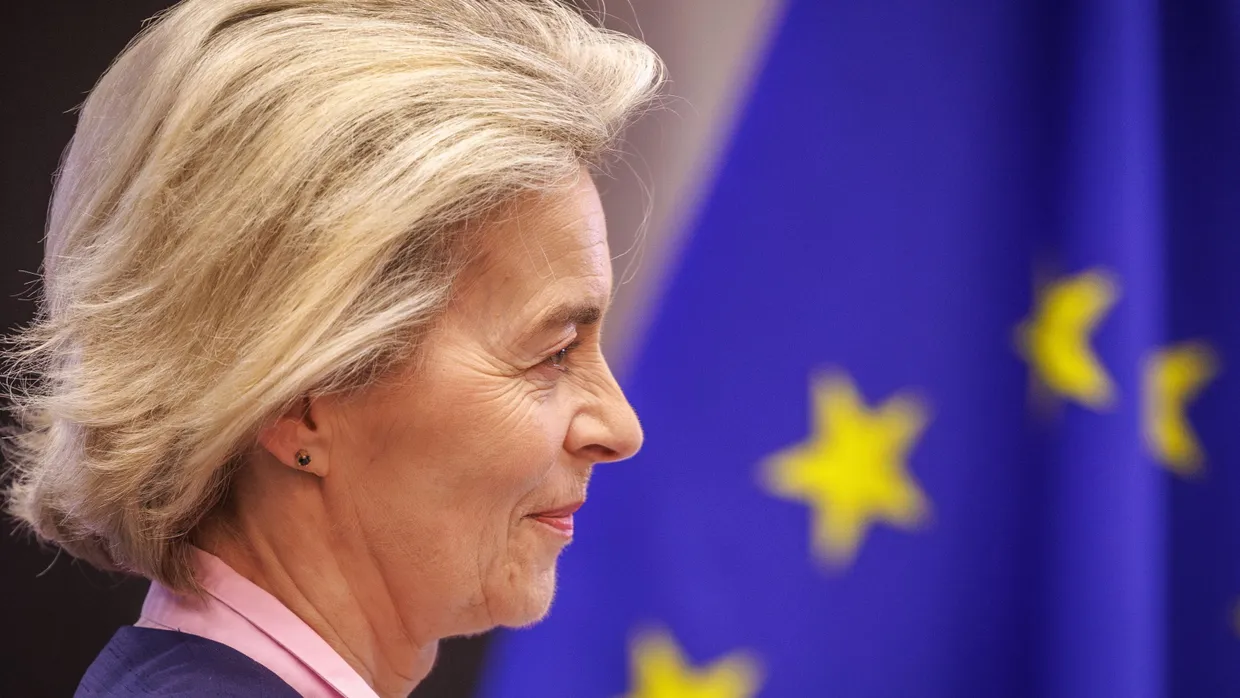
Behind the political headlines, Europe faces difficult questions about its economy, security and the future of the European Union.
BRUSSELS — The European political landscape is undergoing a period of significant change, and European Commission President Ursula von der Leyen remains at the center of debates about the continent’s future.
From economic uncertainty to international trade tensions, decisions made in Brussels have consequences for millions of Europeans.
But one question continues to attract attention: Is Europe entering a new political era?
Brussels at the Center of Europe’s Biggest Decisions
The European Commission plays a central role in shaping EU policy, proposing legislation and coordinating initiatives across member states.
Under Ursula von der Leyen’s leadership, discussions about economic competitiveness, technological innovation, defense and energy security have become increasingly prominent.
For European citizens, these debates are not simply matters of international politics.
They influence employment opportunities, consumer prices, business conditions and long-term economic stability.
What Is Happening Behind the Political Headlines?
Much of Europe’s political work takes place away from television cameras.
Negotiations between European institutions and national governments can involve months of discussions before final decisions are announced.
Questions surrounding trade relations, industrial investment and European security often produce different opinions among member states.
Supporters of stronger European coordination argue that collective action can help Europe compete globally.
Critics, meanwhile, question whether Brussels sometimes exercises too much influence over decisions that should remain closer to national governments.
These competing perspectives are shaping some of the most important political discussions in Europe.
Ursula von der Leyen and the Challenge of European Leadership
Ursula von der Leyen began her second term as President of the European Commission in December 2024.
Her leadership comes at a time when European policymakers face several interconnected challenges.
Economic competitiveness is a major concern as European companies compete with businesses in the United States, China and other international markets.
At the same time, questions about defense capabilities, energy supplies and technological independence have become central to European strategy.
The challenge for Brussels is to balance ambitious policy objectives with the economic realities facing households and businesses.
Why Are Europeans Paying Attention?
Decisions made at the European level can influence everyday life in ways that are not always immediately visible.
A change in trade policy may affect the cost of imported goods.
New environmental or industrial regulations can influence how companies operate.
Investment in technology and infrastructure may create opportunities in some sectors while requiring difficult adjustments in others.
For many citizens, the essential question is whether European policies will deliver measurable improvements in living standards and economic security.
A New Chapter for Europe?
The European Union faces choices that could influence its direction for years.
How much should Europe invest in its own defense?
How can European businesses remain competitive?
What role should the EU play in international negotiations?
And how can European institutions maintain public trust while implementing difficult reforms?
These are not questions with simple answers.
They represent the challenges confronting European leaders, including Ursula von der Leyen, as they consider the continent’s future.
The Bigger Picture
Brussels will continue to attract international attention because the decisions made there affect both European citizens and the wider global economy.
Political disagreement, economic pressure and technological change are likely to remain major themes in European public debate.
For now, one conclusion is clear: the future of Europe will depend not only on statements from political leaders but also on the practical consequences of the policies they pursue.
The decisions being debated today could shape Europe’s economy, security and international influence for the next decade.
Editorial note: This article is a general political analysis and does not report an unverified scandal or confidential disclosure.
Leave a Reply